

Sharpen your instinct
The Meta forces you to evaluate every position without relying on memorization. Your tactical intuition develops naturally, game after game.
Your browser is out of date, so Metamate may not display properly. Please update it, or open the site in a recent browser.
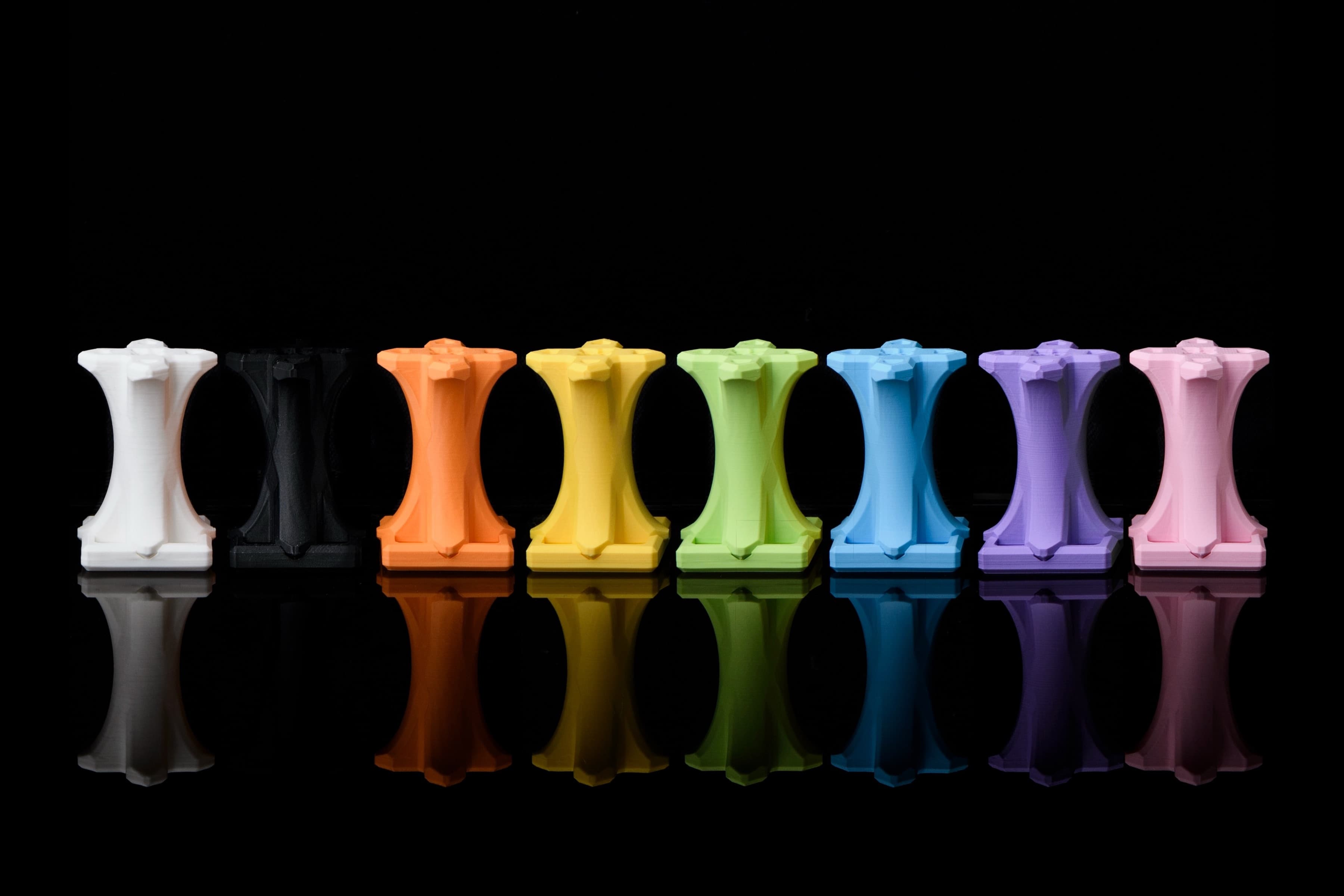
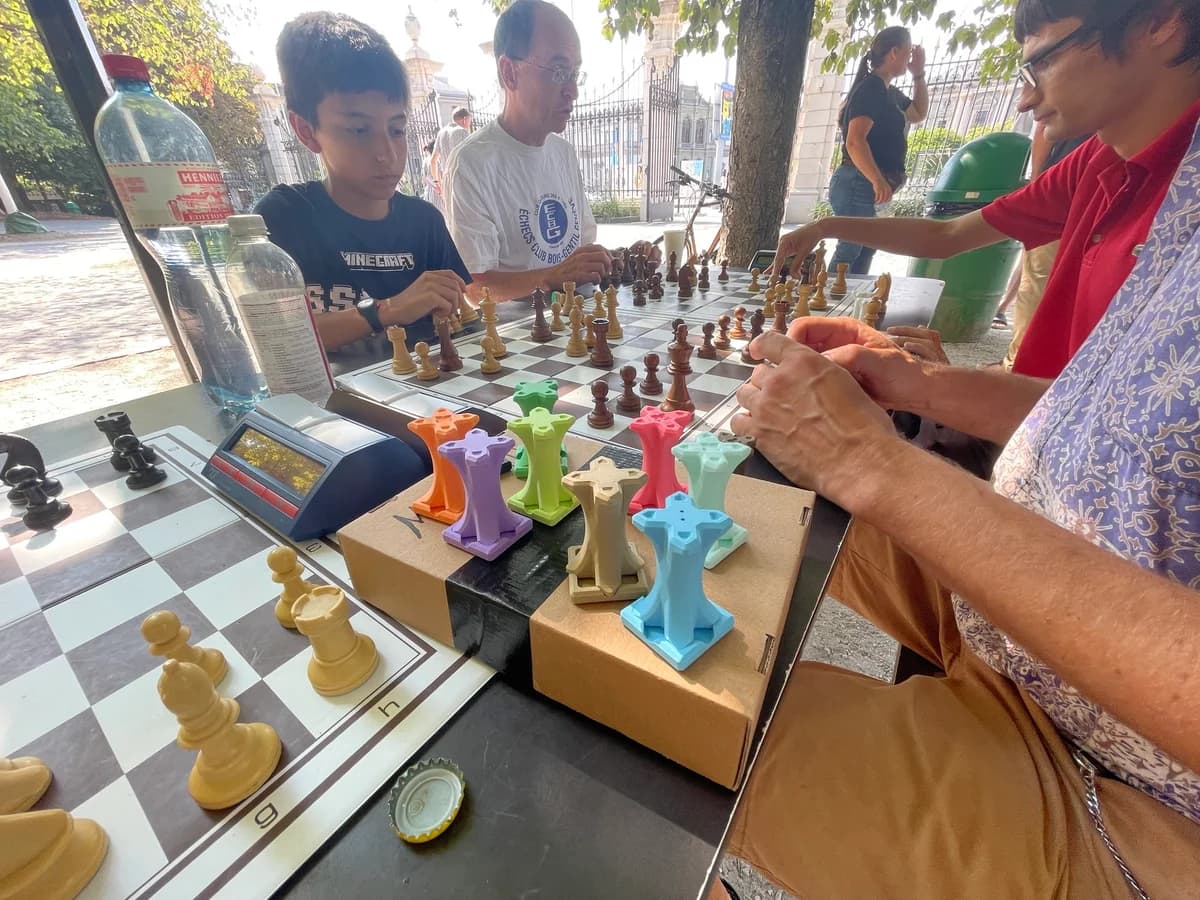
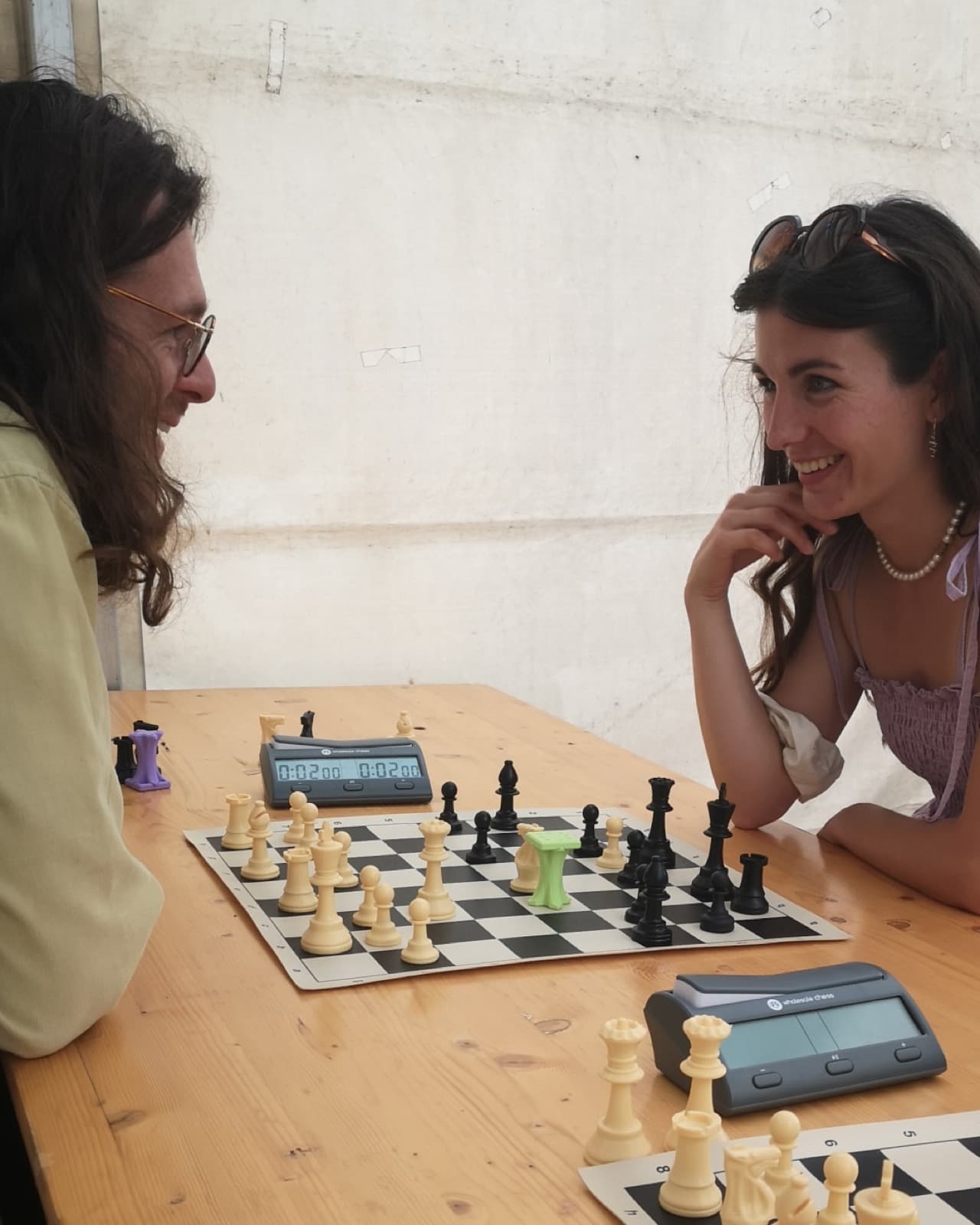
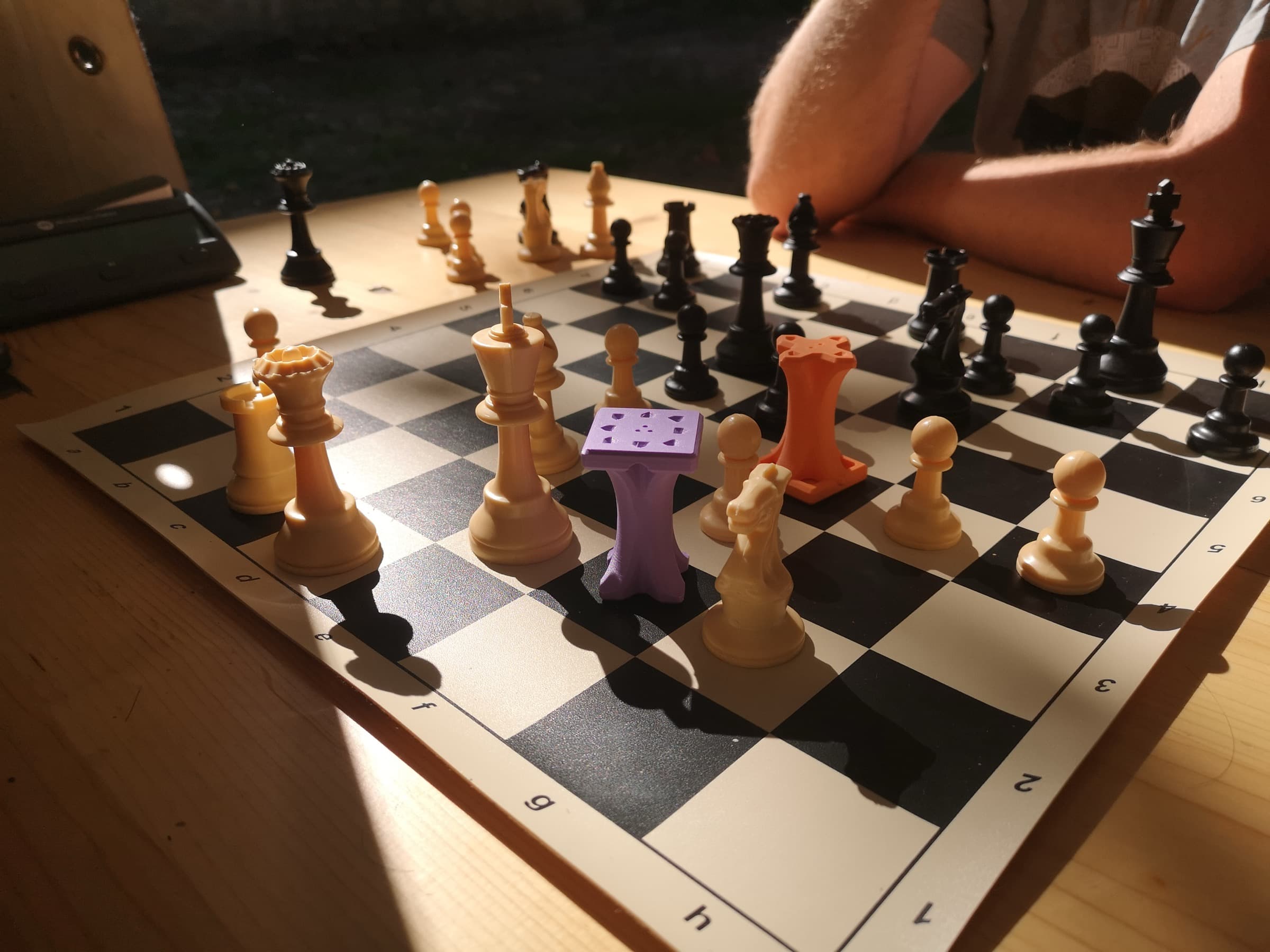
The Meta is a piece you add to an ordinary chess set. It doesn't replace the usual way of learning chess (openings, tactics, strategy): it adds to it. Casual players have fun, competitive players use it to train, and everyone learns to play by instinct and with creativity.
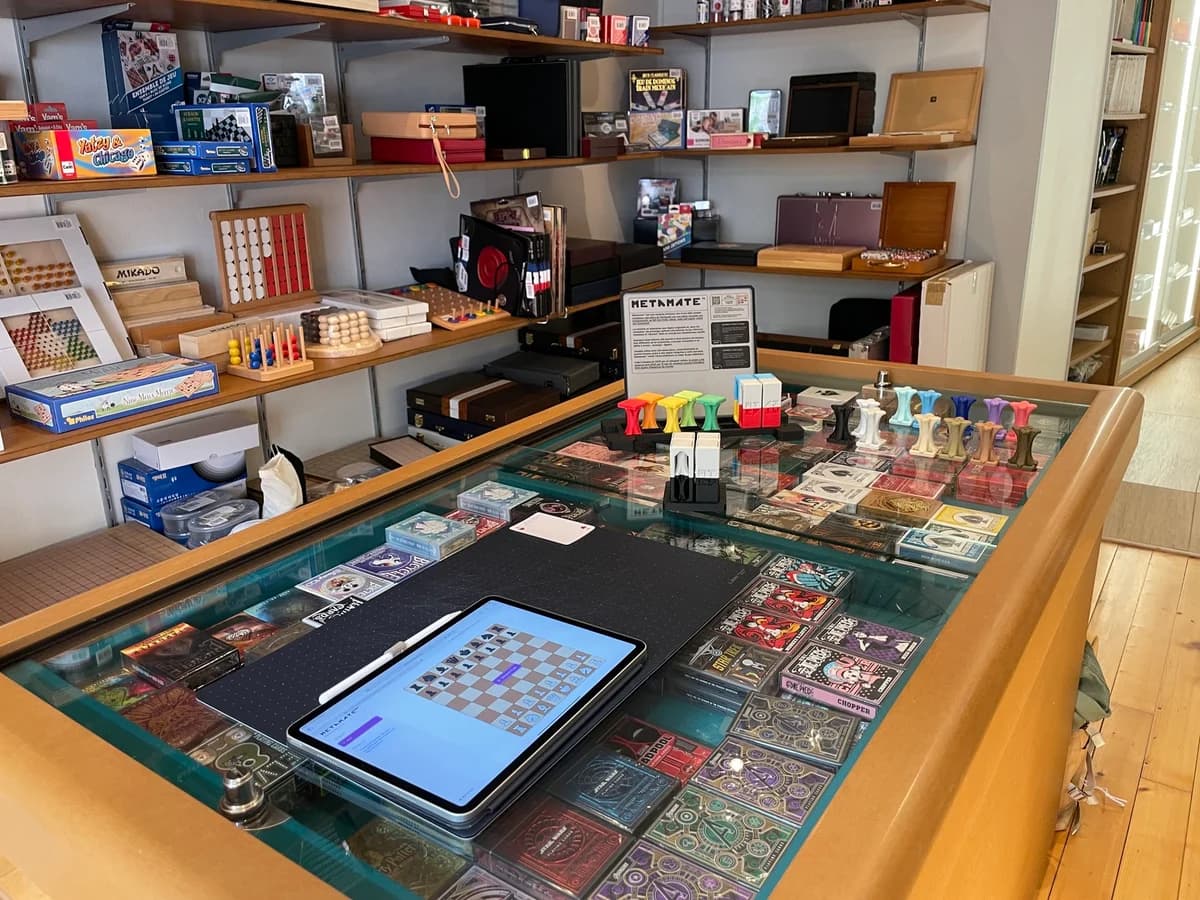
Metamate® is a chess variant born from a simple idea: to replace a piece on the chessboard with a new piece that, ironically, does nothing by itself but knows how to copy those around it.
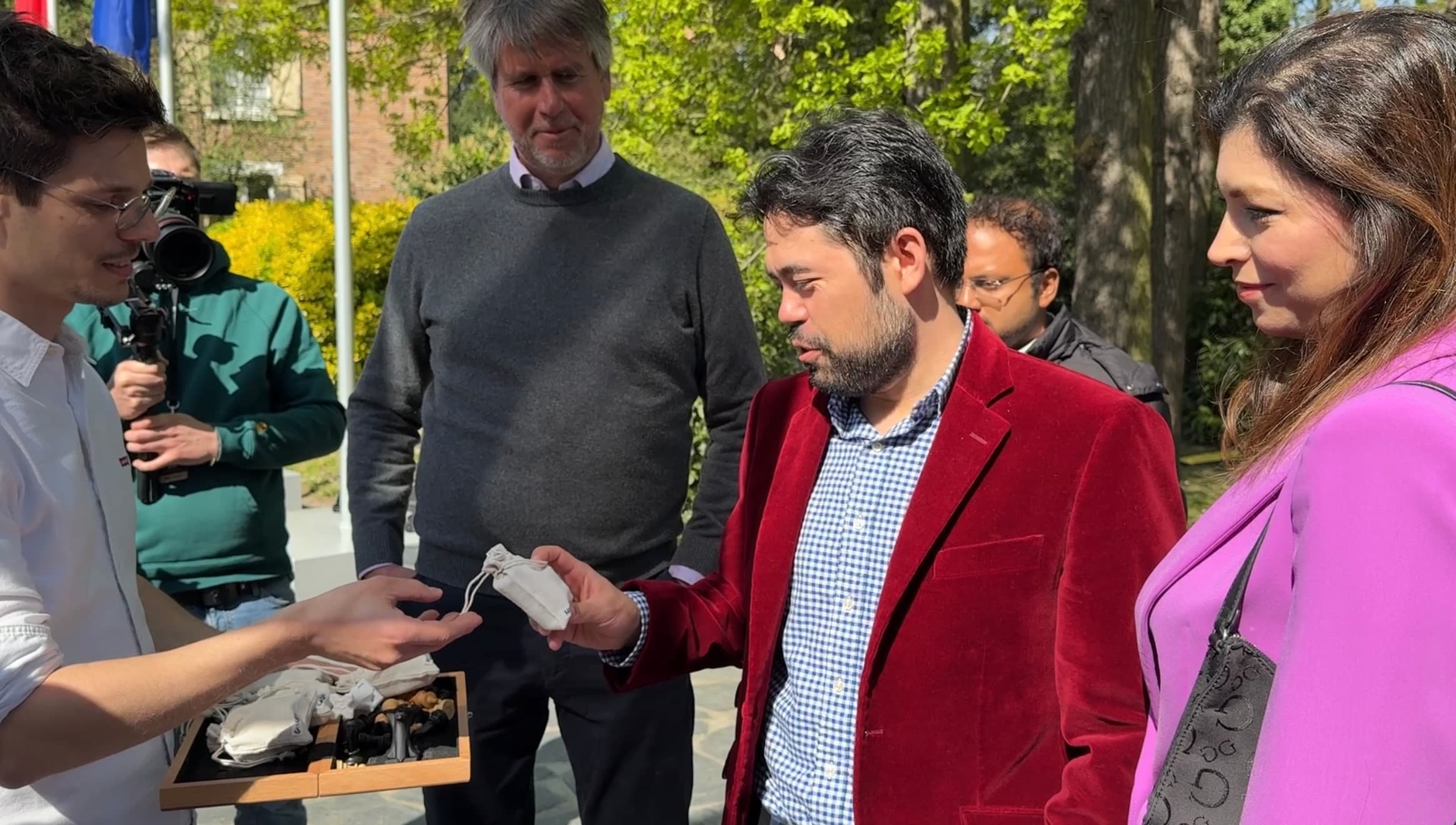
Praised by 15 of the world's top 30 players, including 4 world champions.
The Meta doesn't teach you openings. It teaches you to see the board.
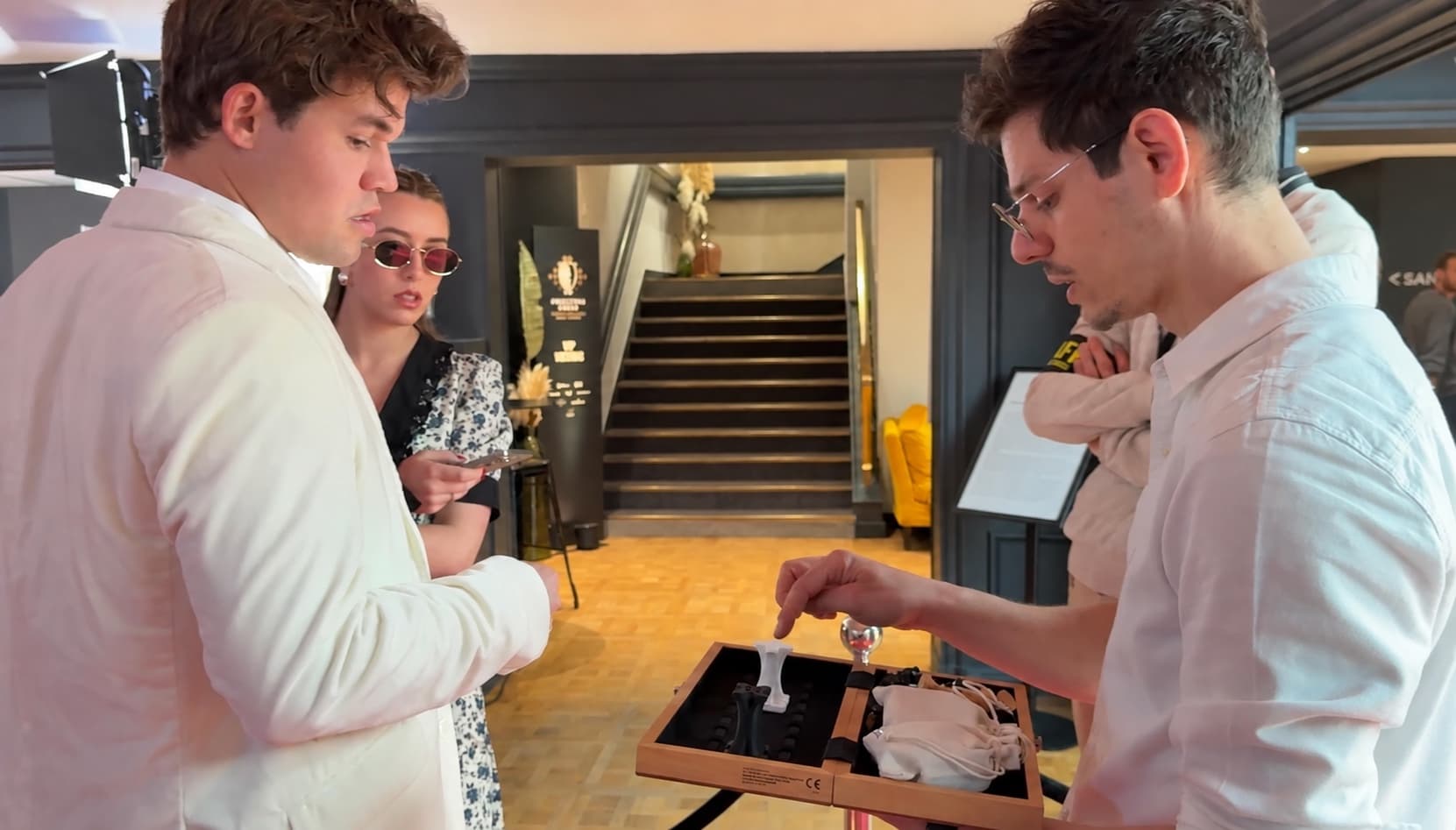 Magnus CarlsenFreestyle Chess Grand Slam, Paris, April 2025













The Meta forces you to evaluate every position without relying on memorization. Your tactical intuition develops naturally, game after game.
By copying adjacent pieces, the Meta creates unpredictable combinations. You discover tactical patterns that classical chess never reveals.
The Meta makes you check every square it touches and assess each position without leaning on memory. You calculate further, and you blunder less.
The Meta deliberately overloads the game. Take it off, and classical chess feels easier: it's training, not a replacement.
Use the Meta as temporary training, then return to classical chess with fresh eyes. It's a complement, not a substitute.
Every game is unique. The Meta evolves through captures, changes abilities, surprises even its own side. It's the excitement of chess, amplified.

Founder
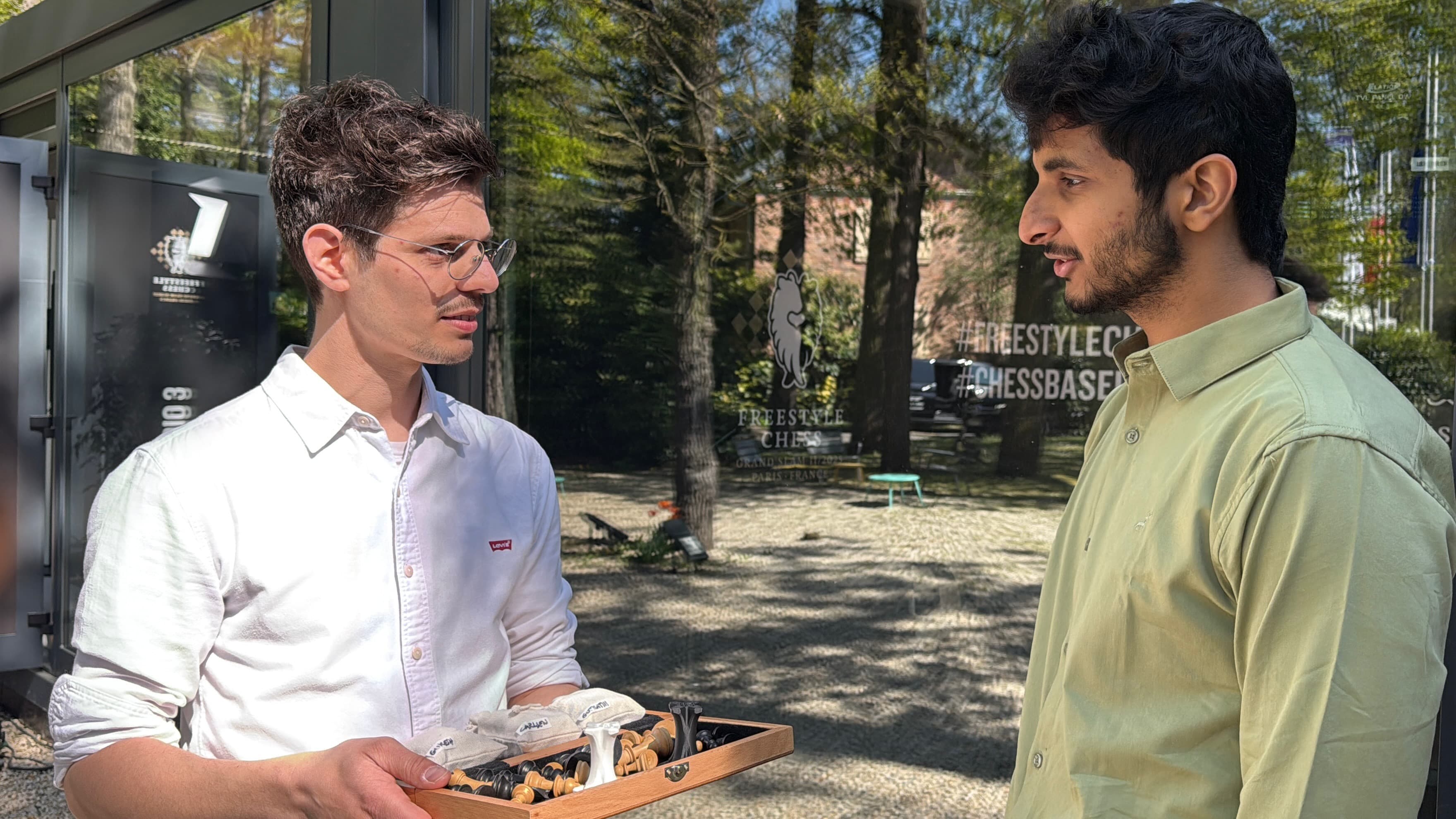
It all started with a simple idea: what if a piece had been forgotten in the evolution of chess? Alban was just a casual player, tinkering with small 3D projects. But the need to create something meaningful pushed him toward a bigger challenge — and chess delivered. What began as a curious “what if” transformed through countless iterations. The forgotten piece became a gateway, and Alban found himself looking not backward at what chess might have missed, but forward at what it could become. Today, Metamate® is that vision: the possible future of chess, born from curiosity and shaped by persistence. Got a question or want to be part of what's next? Reach out.

Method Builder
Daniel discovered chess during the pandemic and quickly became deeply passionate about the game. But beyond playing, one question kept driving him: what actually makes us improve? This curiosity led him to meet Alban and explore Metamate® — its potential to strengthen calculation, decision-making, and cognitive abilities in service of the game. From there, he began developing the Meta-Method: a framework designed to support more structured, more conscious progression. Part researcher, part strategist, he brings a reflective approach to Metamate® that keeps the project grounded in real improvement. Got a question, an idea, or a project you'd like to discuss? Don't hesitate to reach out.
Chess Expert
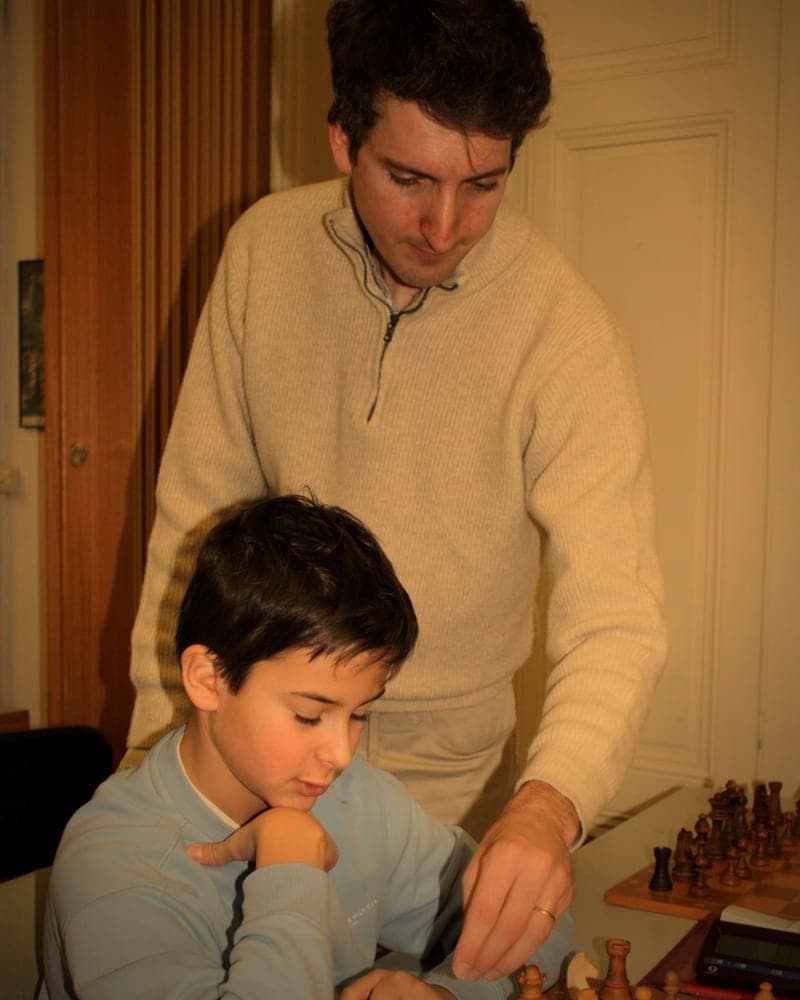
Eric is a chess instructor at the Geneva Chess Club, where he shares his passion for the game and helps players of all levels develop their skills. Within Metamate®, he brings both his teaching experience and a sharp critical eye. His role? Challenge assumptions, question edge cases, and stress-test the concept to make sure it holds up in real playing conditions. He creates original chess problems that integrate the Metas, exploring their tactical possibilities and designing puzzles that push players to think differently. Part educator, part skeptic, part creator, he helps ensure Metamate® is both pedagogically sound and genuinely innovative.
Strategy & Development
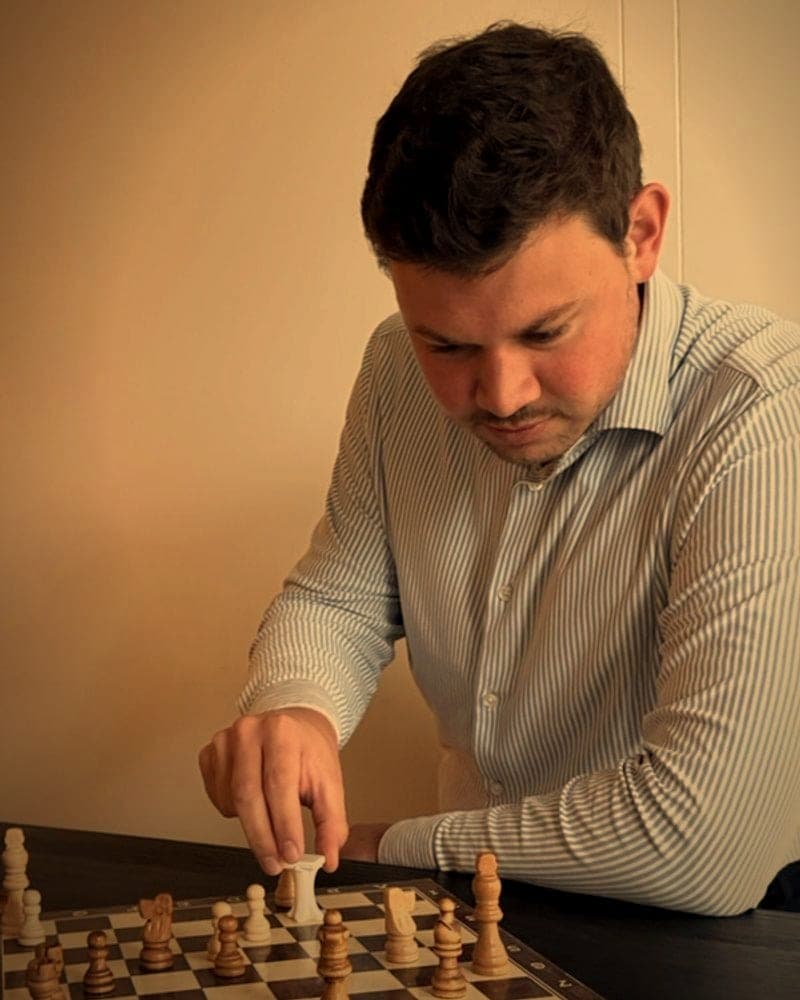
Fabien works alongside Metamate® to turn a bold idea into a lasting project. His field is strategy and development: deciding where Metamate® goes next, building the partnerships that open new doors, and bringing the game closer to clubs, schools and players ready to try something new. Where the others shape the piece, the method and the puzzles, he shapes the path, making sure Metamate® grows with clarity, at the right pace and in the right places. An idea for a partnership, an event or a collaboration? Get in touch.
Want to give it a try?
Five minutes of tutorial is all it takes to play your first game.
Learn to play